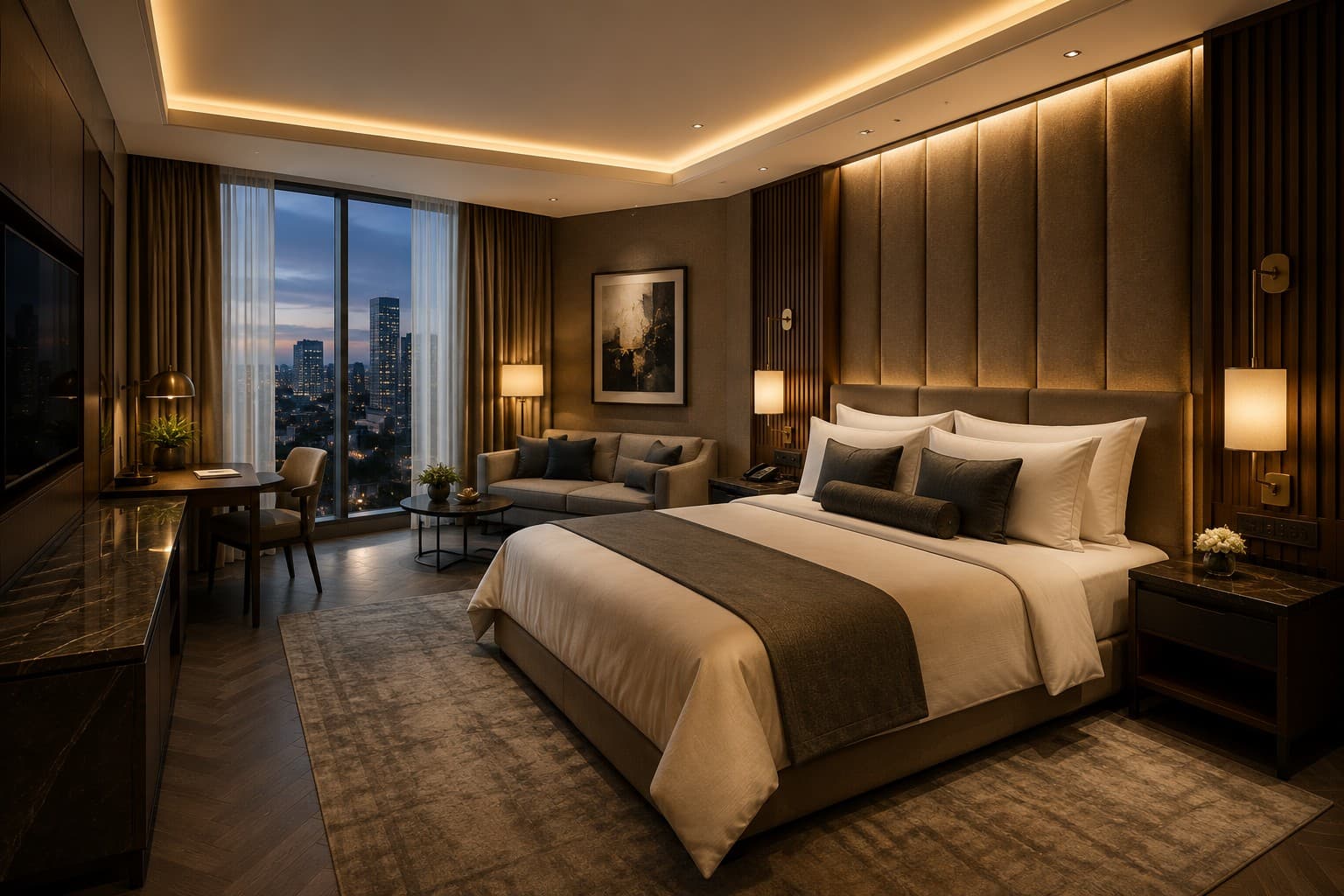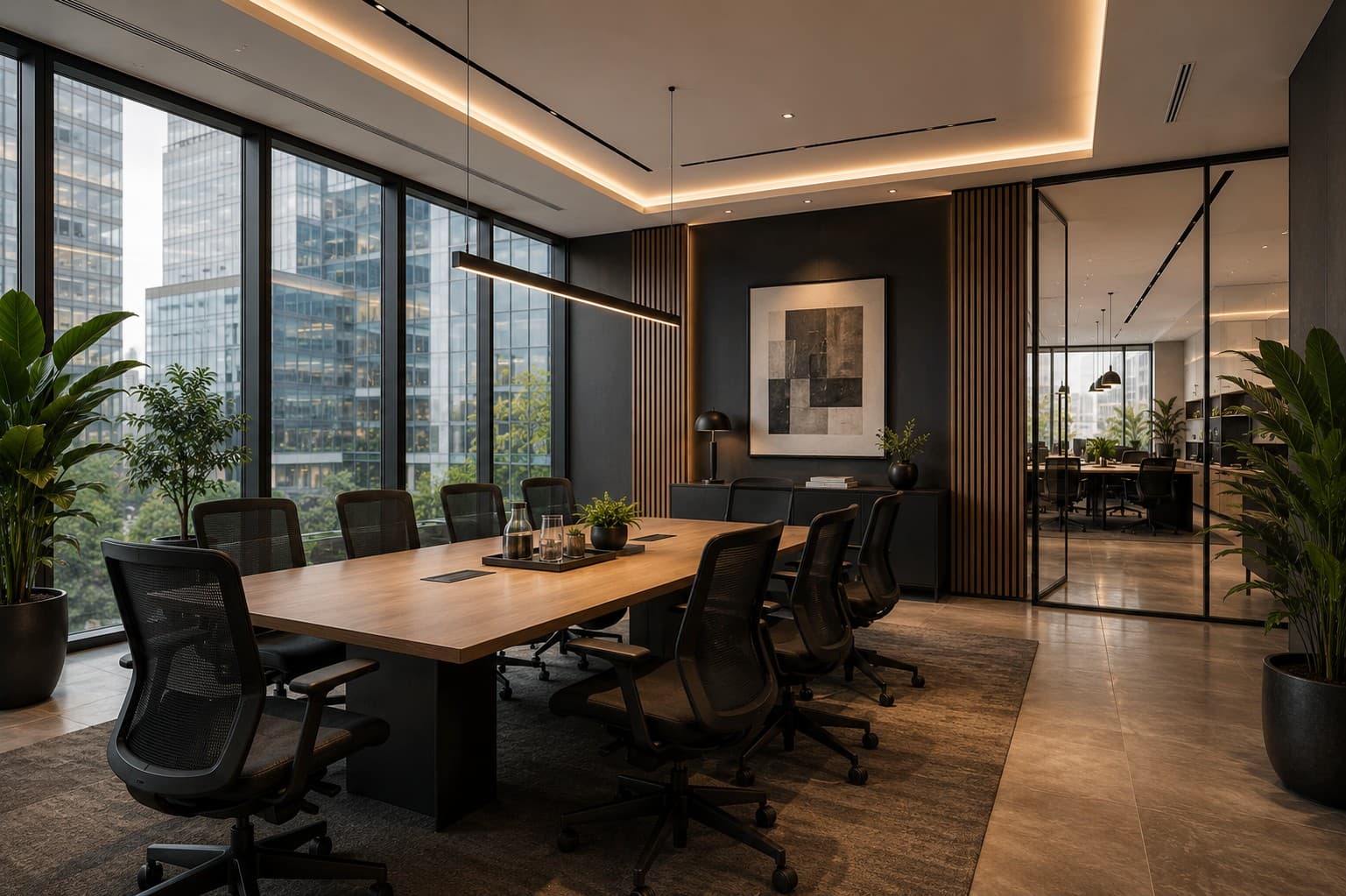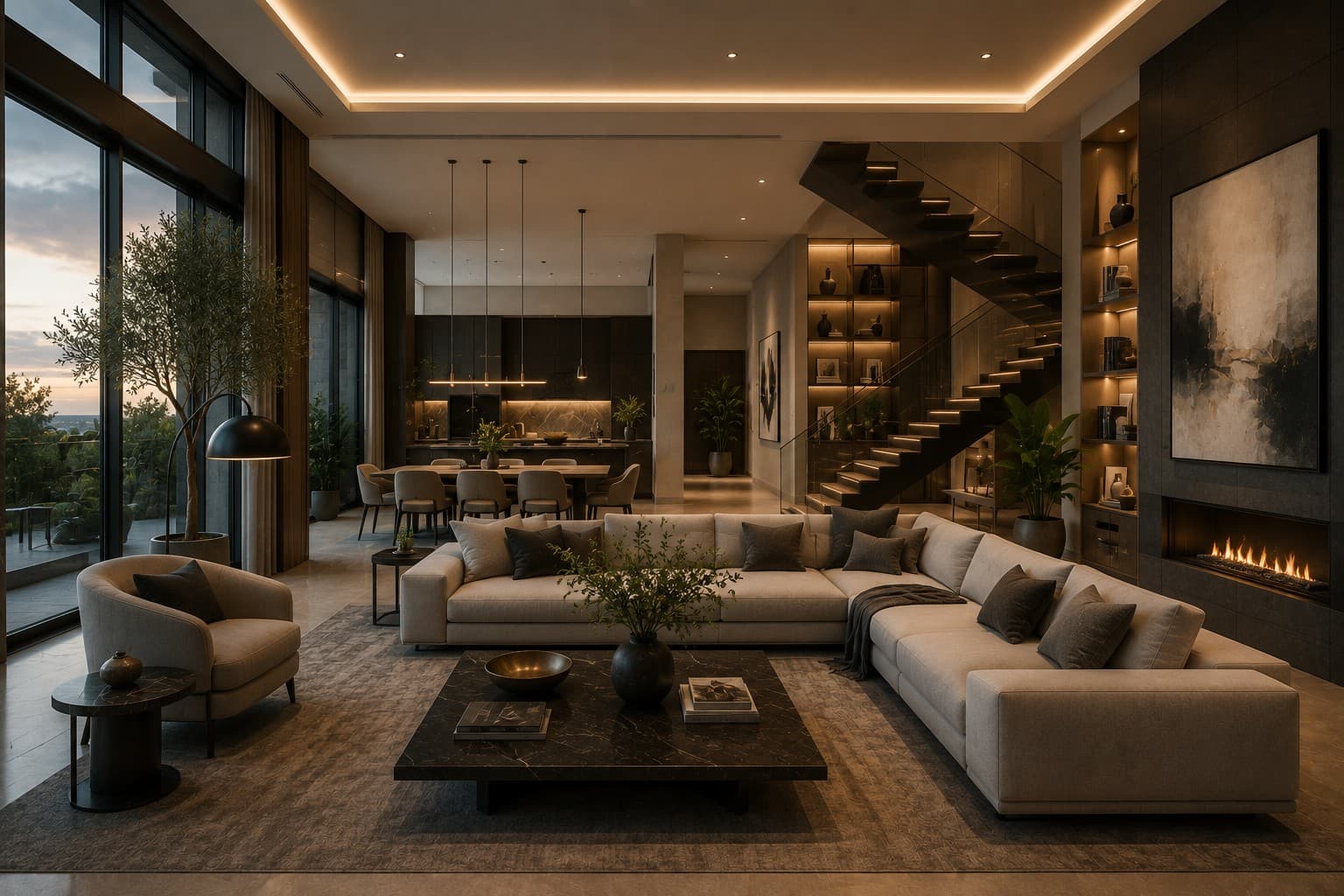
A useful residential brief describes how the household wants to live, not only how the home should look. Style references help, but the designer also needs to understand routines, storage, privacy, entertaining, technology, maintenance, future changes and which existing possessions matter.
1. Describe the household and daily routines
- Who lives in the home and how ages or needs may change.
- Typical weekday and weekend routines.
- How often the household entertains and for how many people.
- Work-from-home, study or hobby requirements.
- Privacy expectations between family, guests and staff.
- Pets, accessibility or special-use considerations.
2. Define what each room must support
Rather than saying “large living room”, describe what must happen there: television, conversation, children’s play, formal entertaining, reading, music or display. Functional descriptions make it easier to test furniture layouts and avoid rooms that photograph well but do not work for the household.
3. Brief storage before joinery is designed
Wardrobes, pantry storage, linen, shoes, luggage, cleaning equipment, children’s items, books, sports equipment and household supplies all need homes. Storage should be quantified and located around use rather than added wherever wall space remains.
4. Explain visual preferences with examples
Share images of spaces you genuinely like and explain what you like about them: warmth, colour restraint, lighting, material texture, furniture proportions or simplicity. Also share examples you dislike. This gives the designer more useful information than a broad label such as modern or luxury.
5. Identify what stays
- Furniture to retain.
- Artwork or collections to feature.
- Appliances or equipment already purchased.
- Inherited or sentimental pieces.
- Existing flooring, joinery or architectural elements to preserve.
6. Give the designer a realistic budget framework
A budget helps the design team decide where bespoke work is justified, what can be sourced locally, which items need early procurement and where alternatives should be considered. Hiding the budget rarely produces a better design; it usually delays alignment until after significant work has been done.
7. Explain the move-in or completion constraint
If the project needs to be ready before a lease end, school term, relocation, holiday season or family event, say so at the beginning. The programme can then distinguish must-have completion from items that can follow later.
For coastal homes and villas
Kilifi and wider Coast projects also need explicit discussion of humidity, salt exposure, ventilation, outdoor living, insect control, maintenance, occupancy patterns and whether the home may sit unoccupied for periods. Those operational conditions should influence material and hardware choices.