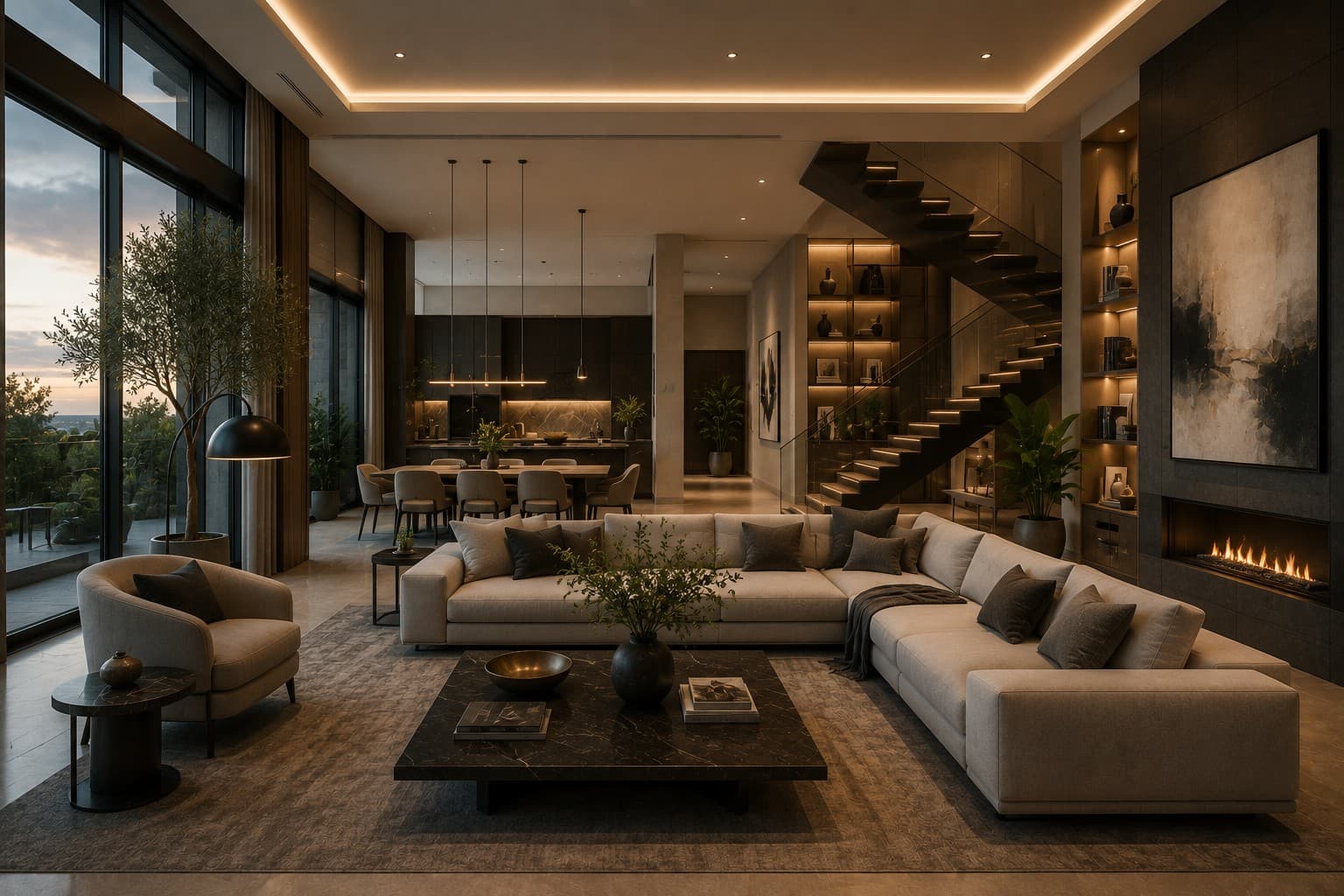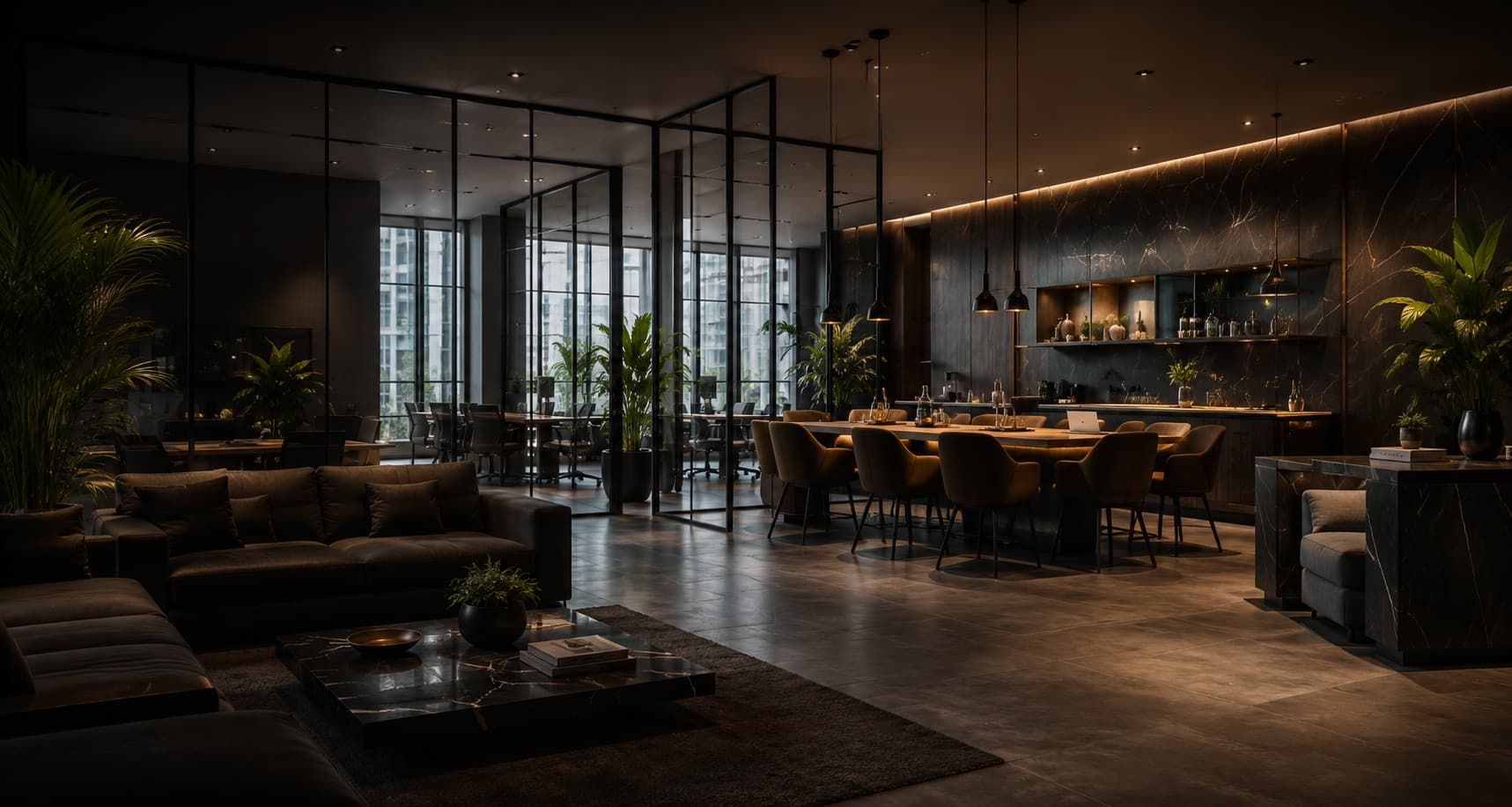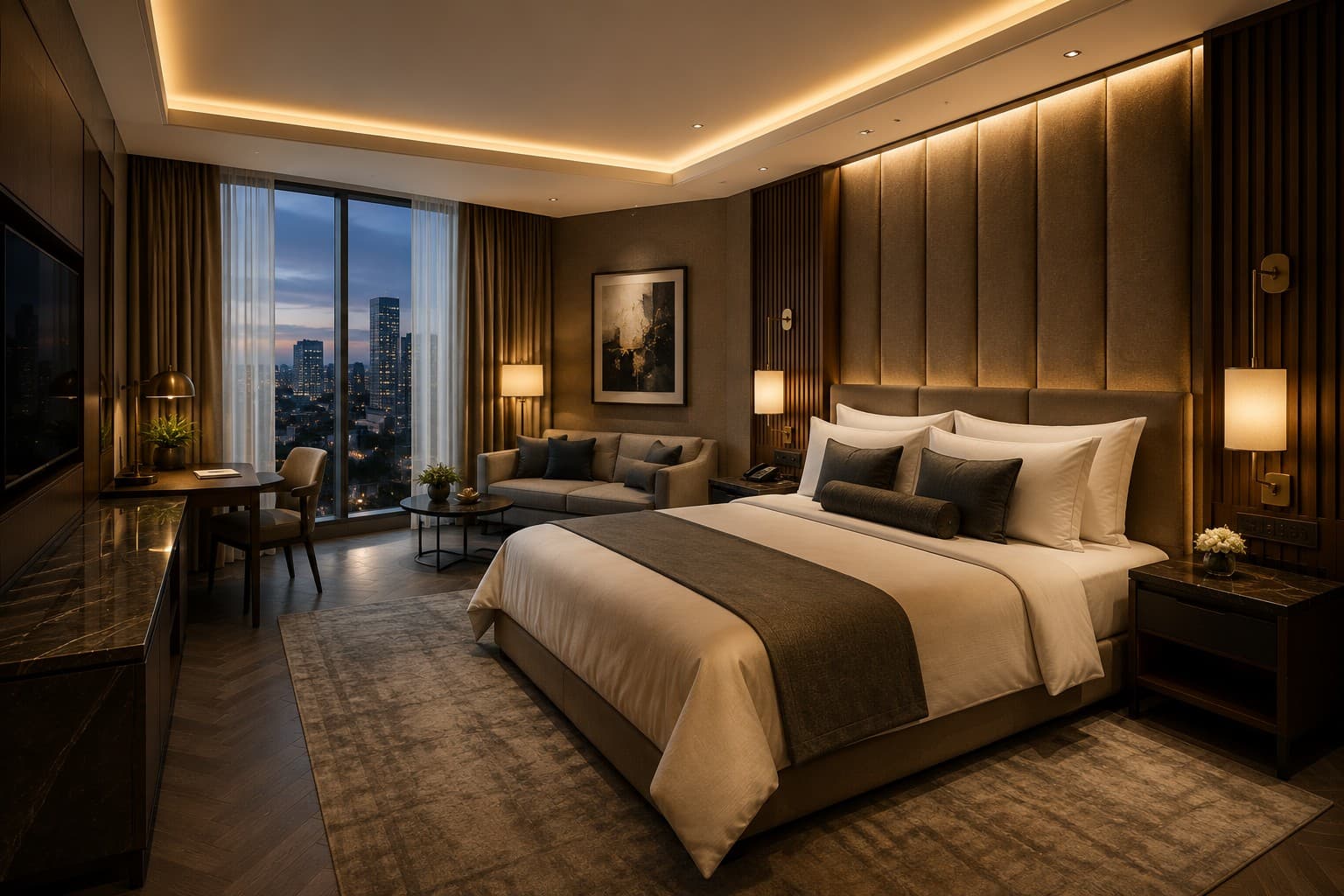
Coastal interior design is often reduced to a visual language of pale colours, woven textures and tropical references. Those choices can be beautiful, but they are not what makes a coastal project work. In Kilifi and the wider Kenya Coast, the deeper design questions are about humidity, salt exposure, sun, ventilation, maintenance, indoor-outdoor living and how the property will be operated when the owner is present or away.
Start with the Coastal Climate
High humidity changes how timber, board products, fabrics, coatings and concealed spaces behave. Salt-laden air accelerates corrosion on unsuitable metals and hardware. Strong sunlight can fade fabrics and finishes. Wind-driven rain and sand increase the wear on entrances, terraces and openings. These conditions do not make coastal design fragile; they simply mean the specifications and details need to be deliberate.
Early coastal design questions:
- Which rooms are fully enclosed, semi-open or directly exposed?
- Where does salt air reach metal hardware, fittings and equipment?
- How will cross-ventilation work when air-conditioning is off?
- Where can moisture become trapped behind joinery or finishes?
- Which surfaces receive strong direct sun or wind-driven rain?
- How will sand and wet feet move through the property?
- Who maintains the home or facility when the owner is away?
- Which replacement materials and spare parts are realistically available?
Treat Indoor and Outdoor Living as One Plan
Coastal homes and hospitality spaces often depend heavily on terraces, courtyards, pools, gardens and shaded external rooms. The interior plan should support that movement rather than treating external space as decoration beyond a glass door. Arrival, changing, showering, food service, entertaining, storage, housekeeping and security all interact with the indoor-outdoor sequence.
- Give wet and sandy movement an easy route that does not pass through delicate finishes.
- Provide practical storage for outdoor cushions, sports equipment, towels and cleaning items.
- Plan shade and glare control so outdoor rooms remain usable through more of the day.
- Use furniture layouts that preserve natural ventilation rather than blocking openings.
- Consider insect control, screens and evening lighting as part of comfort, not as afterthoughts.
Villas and Holiday Homes Have a Different Operational Brief
A holiday home may move between a quiet family retreat and a house full of guests. Owners may live elsewhere for long periods, while caretakers or housekeeping teams manage the property day to day. The design should therefore consider flexible sleeping capacity, lockable owner storage, linen management, maintenance access, durable luggage zones, guest privacy and clear staff/service routes.
Hospitality Interiors Need Guest Experience and Back-of-House Discipline
Hotels, resorts, restaurants and serviced villas are judged by the guest-facing experience, but their commercial performance also depends on cleaning time, durability, replacement cycles, storage, food-and-beverage flow, staff routes and maintenance. A material that photographs well but fails quickly under housekeeping chemicals or heavy traffic is not a premium decision.
Choose Materials by Exposure, Maintenance and Replacement
The phrase “coastal material” is too broad to be useful. Stainless hardware, coated aluminium, timber, stone, porcelain, engineered boards, natural fibres and outdoor fabrics all come in different grades and systems. The right question is whether the complete assembly—including fixings, adhesives, edges, sealants, backing materials and maintenance method—is appropriate for the location.
Procurement from Nairobi to the Coast Needs Its Own Programme
Many specialist materials, custom joinery packages and furniture items may be manufactured or consolidated in Nairobi before travelling to the Coast. The project programme should allow for shop drawings, samples, manufacture, quality checks before dispatch, transport, off-loading, secure storage and replacement if an item arrives damaged.
Remote Owners Need Better Project Information, Not More WhatsApp Messages
A client living in Nairobi or abroad can manage a Kilifi, Vipingo, Watamu or Diani project successfully, but approvals and reporting need structure. Weekly progress records, decision registers, procurement logs, photo evidence, scheduled inspections and clear authority levels reduce the risk of important choices disappearing inside informal chats.
Coastal Design Does Not Need to Look Themed
A successful coastal interior can be contemporary, minimal, warm, highly crafted, rustic or luxurious. Local stone, timber, woven craft and Swahili references can enrich a project when they belong to the concept, but they should not become a compulsory costume. The strongest identity comes from responding honestly to place, climate, light, landscape and how the client intends to live or operate.