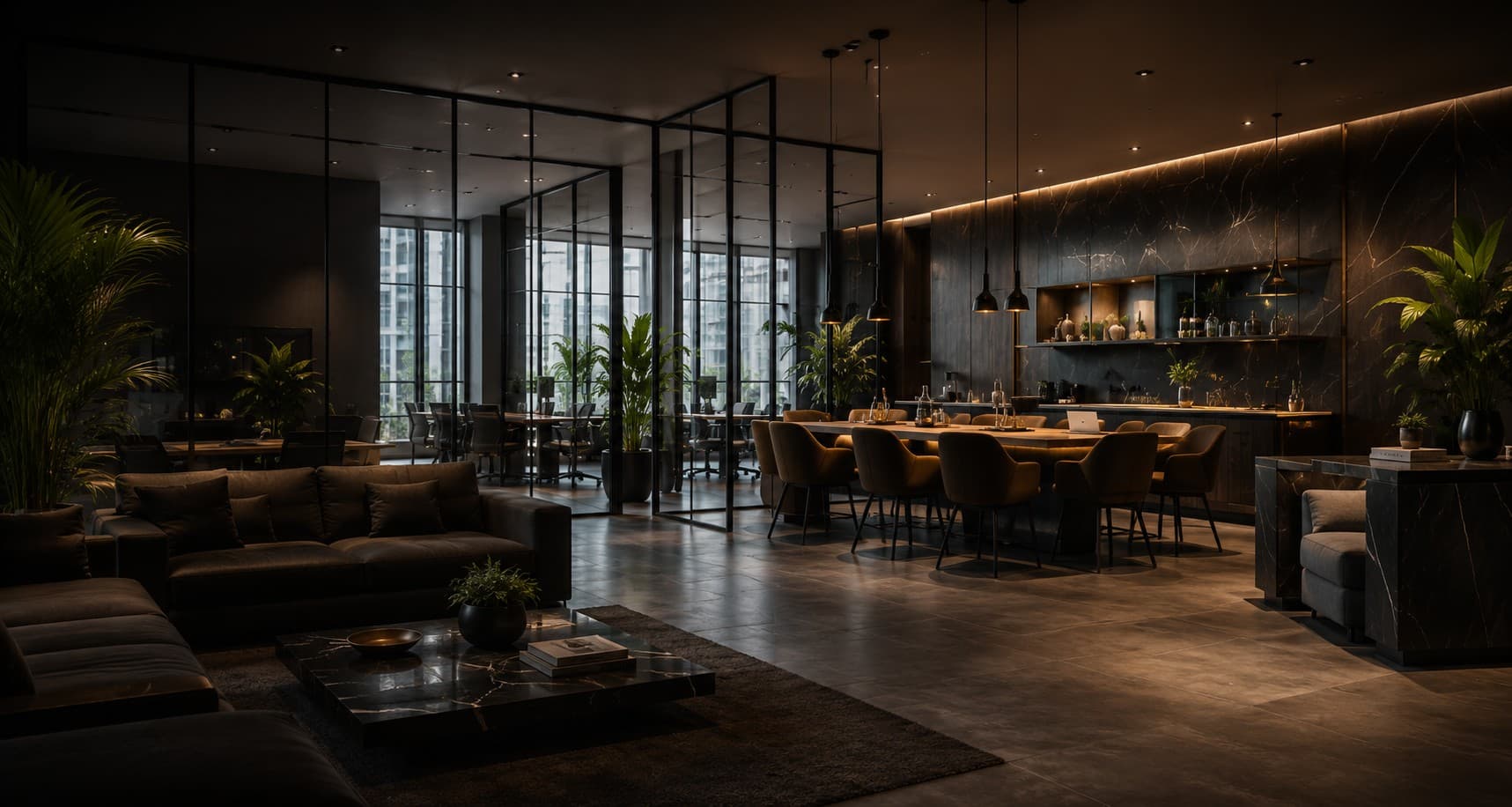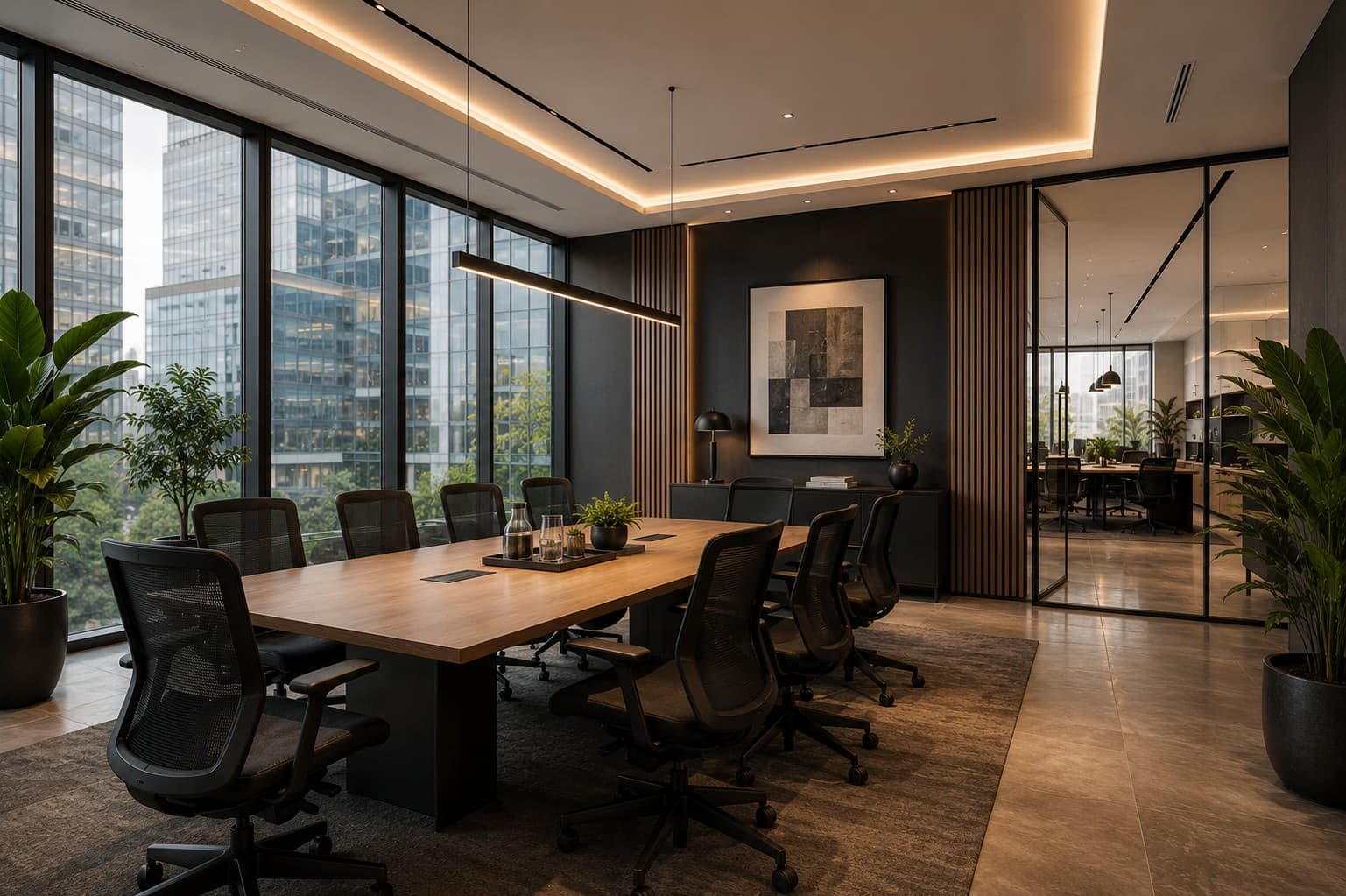
A business planning an office fit-out in Kenya may receive two quotations for the same premises and find that they differ by several million shillings. That does not automatically mean one contractor is expensive or the other is cheap. In many cases, the quotations are not pricing exactly the same project.
One contractor may include furniture, mechanical modifications, data cabling, access control, testing and detailed preliminaries. Another may price mainly architectural finishes and leave several of those packages to the client. Unless the quotations are normalised, comparing only the final totals can produce the wrong commercial decision.
First Ask: Are the Contractors Pricing the Same Project?
A quotation can only be compared properly when the scope basis is reasonably consistent. If one bidder prices detailed construction drawings and schedules while another works from a concept plan, the apparent price difference may simply reflect different assumptions about quantities, specifications and responsibility.
Before comparing totals, confirm that bidders are working from:
- The same floor plans and revision status.
- The same partition, ceiling, flooring and finish specifications.
- The same furniture and joinery requirements.
- The same electrical, mechanical, plumbing and ICT scope.
- The same programme and permitted working hours.
- The same site and landlord constraints.
- The same tax basis.
- The same expectations for testing, commissioning, snagging and handover.
Scope Gaps Can Create Very Large Price Differences
Office fit-outs contain many packages. Partitions and finishes may be visually obvious, but significant expenditure can sit in building services, technology, furniture, specialist systems and project preliminaries. A quotation that excludes several of those packages can appear dramatically cheaper without actually providing the same completed workplace.
| Package | What to check |
|---|---|
| Architectural works | Partitions, doors, ceilings, flooring, wall finishes, glazing and making good. |
| Electrical | Power points, distribution changes, lighting, emergency systems and testing. |
| Mechanical | HVAC alterations, ventilation, controls, plumbing and associated builder's work. |
| Technology | Structured cabling, Wi-Fi infrastructure, AV, conferencing, CCTV and access control. |
| Furniture | Workstations, task chairs, meeting furniture, loose furniture and specialist items. |
| Joinery | Reception desks, storage, kitchenettes, credenzas, cabinetry and feature elements. |
| Commercial allowances | Preliminaries, insurance, bonds where required, provisional sums, contingency and taxes. |
The Same Description Can Hide a Different Specification
A line described as 'glass partition', 'carpet tile', 'task chair' or 'feature lighting' does not define a single price. Product performance, manufacturer, acoustic rating, thickness, warranty, finish, hardware and installation method can all change the cost. A quotation based on an undefined specification may therefore look competitive while carrying a substantial substitution or variation risk later.
Mechanical, Electrical and Technology Scope Can Move the Budget Quickly
Building-services requirements are one of the easiest ways for quotations to diverge. A new office layout may require HVAC redistribution, additional electrical circuits, lighting changes, fire-alarm modifications, data infrastructure, access control, CCTV, AV systems or changes to plumbing. If those requirements are not coordinated before pricing, each bidder may make a different assumption.
The condition of the base building matters as well. Two offices of identical floor area can have very different fit-out costs if one already has suitable services and the other requires major modifications.
Furniture Can Be Included, Partly Included or Missing Entirely
Workstations, ergonomic task chairs, meeting tables, lounge furniture, storage and loose furniture can represent a meaningful portion of the workplace investment. Some quotations include the full furniture package, some include only fixed joinery, and others exclude loose furniture completely. Always separate construction, fixed joinery and FF&E clearly when comparing proposals.
Preliminaries Reflect How the Project Will Actually Be Delivered
Site supervision, temporary protection, safety requirements, deliveries, waste handling, insurance, security, restricted working hours, mobilisation and project management all cost money. A contractor who has properly allowed for an occupied building, night work or difficult loading access may appear more expensive than one who has not yet priced those realities.
Watch Provisional Sums, Allowances and Assumptions
A provisional sum is not necessarily a problem. It can be appropriate when part of the scope is genuinely unresolved. The risk arises when a quotation uses low allowances to make the tender total attractive even though the eventual requirement is likely to cost considerably more.
Interrogate every significant allowance:
- What exactly does the allowance cover?
- What quantity has been assumed?
- What specification or quality level has been assumed?
- Is installation included?
- What happens when the actual supplier quotation is higher?
- Does the contractor add attendance, overhead or margin when the allowance is adjusted?
Programme Can Change the Price
A six-week fit-out and a twelve-week fit-out do not necessarily carry the same delivery cost. Accelerated procurement, overtime, night work, weekend work, additional supervision, phased handovers and expedited materials can affect the quotation. A lower price attached to an unrealistic programme is not necessarily better value.
Read the Exclusions Before You Read the Total
The exclusions page can be more revealing than the summary price. An apparently low quotation may exclude approvals, landlord requirements, specialist services, furniture, testing, removal of existing installations, after-hours work or other items the project will still need.
Normalise the Quotations Before Selecting a Contractor
A useful commercial comparison adjusts the proposals onto a common basis. Missing items are identified, differing specifications are reconciled, provisional sums are compared, arithmetic is checked and bidder clarifications are recorded. The result is a more realistic comparison of the cost each proposal would represent if it delivered substantially the same project.
A practical quotation comparison should review:
- Tender total and tax basis.
- Arithmetic and quantities.
- Scope inclusions and exclusions.
- Specification differences.
- Provisional sums and allowances.
- Furniture and equipment.
- MEP and technology.
- Preliminaries and programme.
- Payment terms.
- Variation rules.
- Warranties and defects obligations.
- Testing, commissioning and handover requirements.
When Is the Lowest Quotation Actually the Best Value?
The lowest quotation may absolutely be the right choice when the bidder has priced the required scope accurately, meets the technical requirements, has a credible programme and presents acceptable commercial risk. The point of quotation analysis is not to avoid the lowest bidder. It is to establish whether the saving is real.
Better Design Information Produces Better Quotations
Price uncertainty reduces as the project information improves. Coordinated drawings, schedules, specifications, quantities and clearly defined client requirements give bidders a more consistent basis for pricing. That makes quotations easier to compare and reduces the number of unresolved assumptions that can become variations during construction.
The Better Question Is Not 'Which Quote Is Cheapest?'
A better question is: what will each proposal realistically cost to deliver the workplace we have actually designed? Once the quotations are placed on a common basis, the client can make a more informed decision about price, specification, programme and risk rather than relying on the headline total alone.