A good home is not designed around trends alone. It is shaped around routines, relationships, privacy, storage, entertaining, rest, maintenance and future change. This guide helps homeowners turn lifestyle needs into a clear brief, realistic budget and coordinated delivery plan.
Lifestyle brief
Design around how the household actually lives.
The brief should explore daily routines, family structure, entertaining, work-from-home needs, privacy, storage, hobbies, cultural practices and future growth.
A beautiful plan can still fail if it ignores housekeeping, children, ageing, guests, pets or the way the family uses shared spaces.
Kitchens
Plan workflow, storage and services before selecting finishes.
A kitchen must support preparation, cooking, cleaning, storage, social interaction and appliances within a coherent sequence.
Appliance models, ventilation, electrical loads, plumbing and joinery details should be coordinated early.
Bathrooms
Balance comfort, waterproofing, ventilation and maintenance.
Bathrooms require careful coordination of drainage, falls, waterproofing, fittings, lighting, ventilation and access.
The design should allow cleaning and maintenance without sacrificing comfort or visual quality.
Bedrooms and storage
Create calm rooms with enough storage and practical circulation.
Bedrooms should support sleep, dressing, privacy, lighting and climate comfort. Wardrobes and dressing spaces should be sized around actual belongings and habits.
Outdoor living
Connect interior spaces to climate, landscape and social life.
Terraces, courtyards, balconies and gardens can extend living space when shade, privacy, weather protection and furniture are planned carefully.
Lighting
Use layers of light to support different moods and activities.
Residential lighting should combine ambient, task, accent and decorative light. Controls should be intuitive and coordinated with furniture, artwork, joinery and natural light.
Smart home
Use technology where it improves comfort, security and efficiency.
Automation can support lighting, climate, security, entertainment and energy management, but it should remain reliable and easy to use.
The technology strategy should be agreed before wiring, ceilings and joinery are complete.
Materials and longevity
Choose materials for beauty, touch, maintenance and ageing.
Residential materials are experienced at close range every day. Texture, warmth, durability and maintenance matter as much as appearance.
Samples should be reviewed in the actual light where possible, and vulnerable materials should be tested against household use.
Budget intelligence
Align ambition, scope and finish quality before procurement begins.
Residential budgets are influenced by joinery, kitchens, bathrooms, lighting, imported fittings, furniture, technology and the condition of the building.
The budget should distinguish construction, joinery, appliances, furniture, technology, professional fees and contingency.
Programme
Allow time for decisions, samples, custom work and procurement.
Residential projects often slow down because many detailed decisions are made during construction.
A coordinated programme should include design approvals, samples, joinery, imported items, construction, installation and moving in.
Procurement
Coordinate contractors, joiners, suppliers and owner purchases under one schedule.
Residential projects often include many small suppliers and owner-selected items. Without clear coordination, deliveries, measurements and installations can conflict.
Common mistakes
Avoid decisions that reduce comfort or create repeated maintenance.
Frequently asked questions
Questions clients often ask
Should the interior designer be involved before construction starts?
Yes. Early involvement helps coordinate room sizes, services, lighting, joinery, finishes and budgets before changes become expensive.
How do we establish a realistic residential budget?
Define the scope, finish level, custom joinery, kitchens, bathrooms, furniture, technology, fees and contingency. A room-by-room priority list helps align ambition with available investment.
Can we renovate while living in the house?
Sometimes, but phasing, temporary facilities, dust, noise, security and contractor access should be considered carefully.
When should appliances and sanitary fittings be selected?
During detailed design. Their dimensions and utility requirements affect joinery, plumbing, electrical work and ventilation.
How can a home be future-proofed?
Plan adaptable rooms, accessible routes, flexible technology infrastructure, durable materials and reasonable capacity for family change.
Curzey Project Intelligence
Turn the guide into an early project scenario.
Explore an indicative budget, programme and readiness score. Results are early planning guidance—not a quotation, tender or professional certification.
Sector
Residential
Indicative residential fit-out
Ksh 23,460,000 – Ksh 29,325,000
Rate range
Ksh 78,200 – Ksh 97,750
Suggested contingency
Ksh 2,932,500
Recommended next moves
- Begin with lifestyle, routines and storage—not trends.
- Coordinate appliances before kitchens and services are fixed.
- Prioritise rooms and features before procurement begins.
Curzey experience
Experience that informs the guidance.
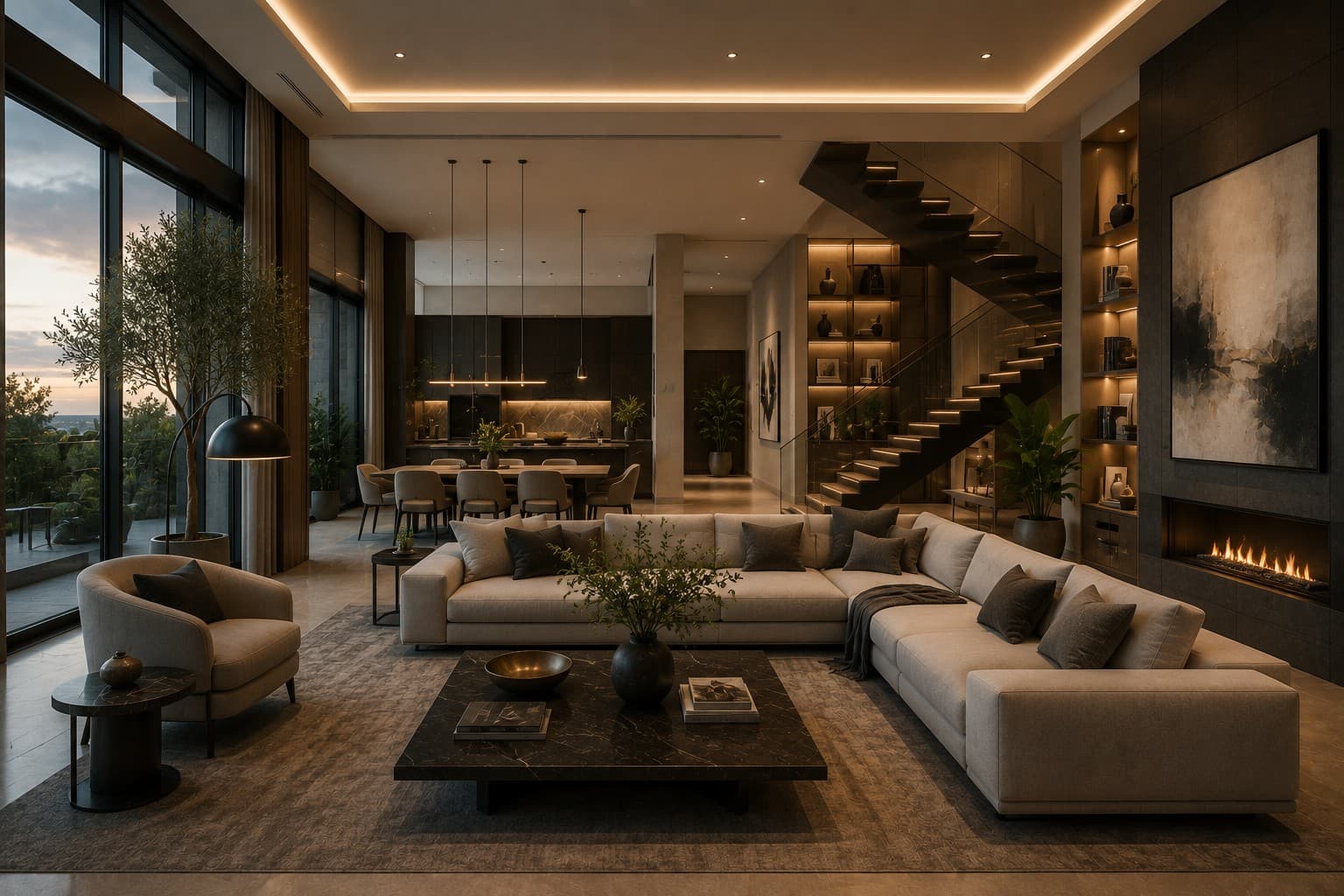
Residential
Mushroom Park Residence
Warm contemporary interiors balancing family life, comfort and understated elegance.
View projectResidential
Belva Penthouses
Premium residential experience informing spatial planning, finishes and custom detailing.
View projectResidential hospitality
Hotel Showhouse Residence
Showhouse design experience combining lifestyle storytelling and durable specification.
View projectPractical resources
Take the guide into your project.
Checklist · Email required
Residential Project Readiness Checklist
A checklist covering lifestyle, scope, budget, approvals, procurement and occupation.
Open resourceTemplate · Email required
Home Lifestyle Brief Template
A structured template for routines, rooms, storage, entertaining, privacy and future change.
Open resourceWorksheet · Email required
Residential Budget Worksheet
A worksheet for construction, joinery, kitchens, bathrooms, furniture, technology and contingency.
Open resourceRelated Learn articles
Go deeper on the decisions that shape your project.
Curzey Learn
Luxury Kitchen Design
Curzey Learn
Residential Lighting Guide
Curzey Learn
Smart Home Planning
Continue learning
Explore another project type.
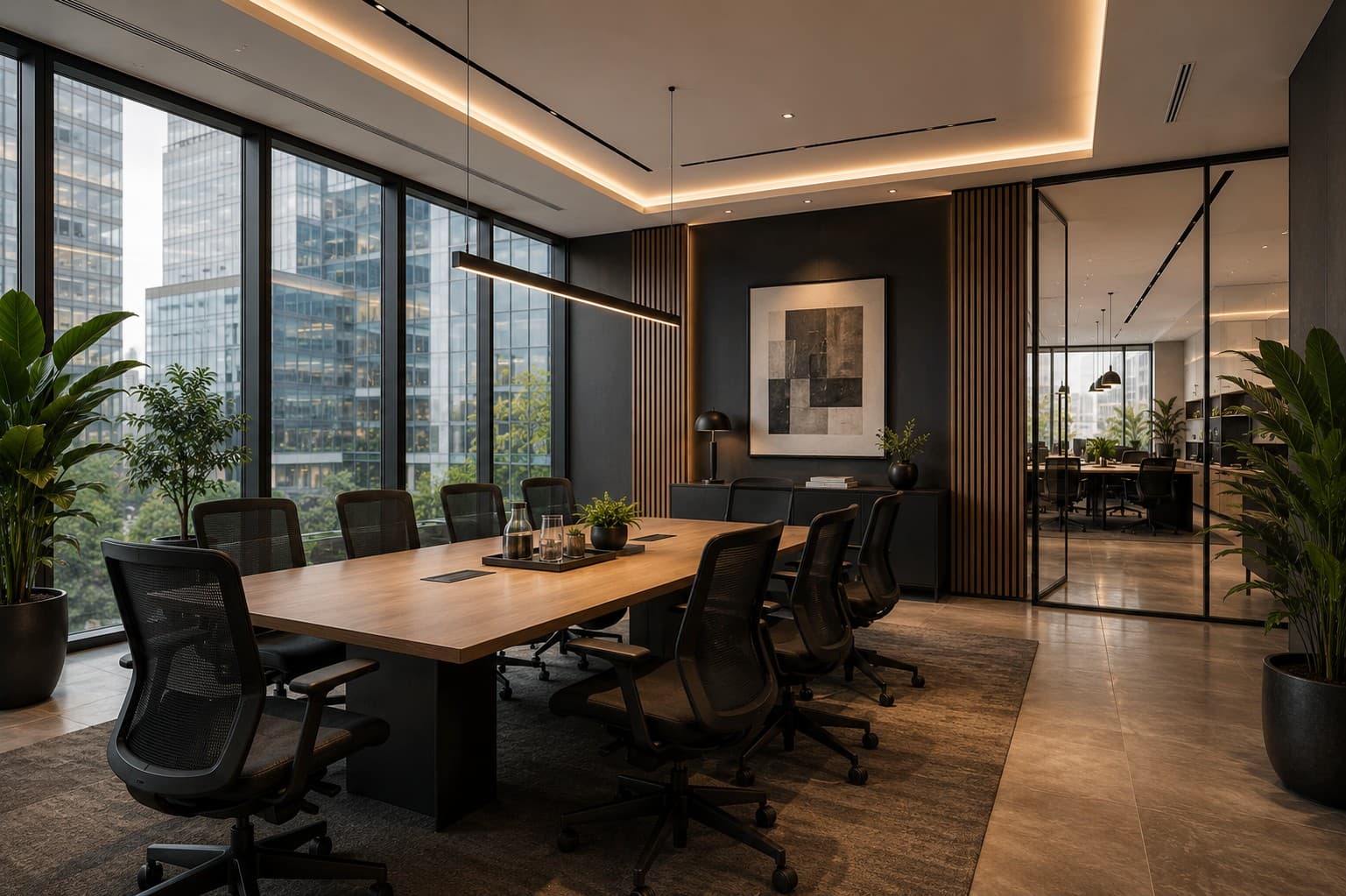
Workplace
New Office Design Guide
Read guide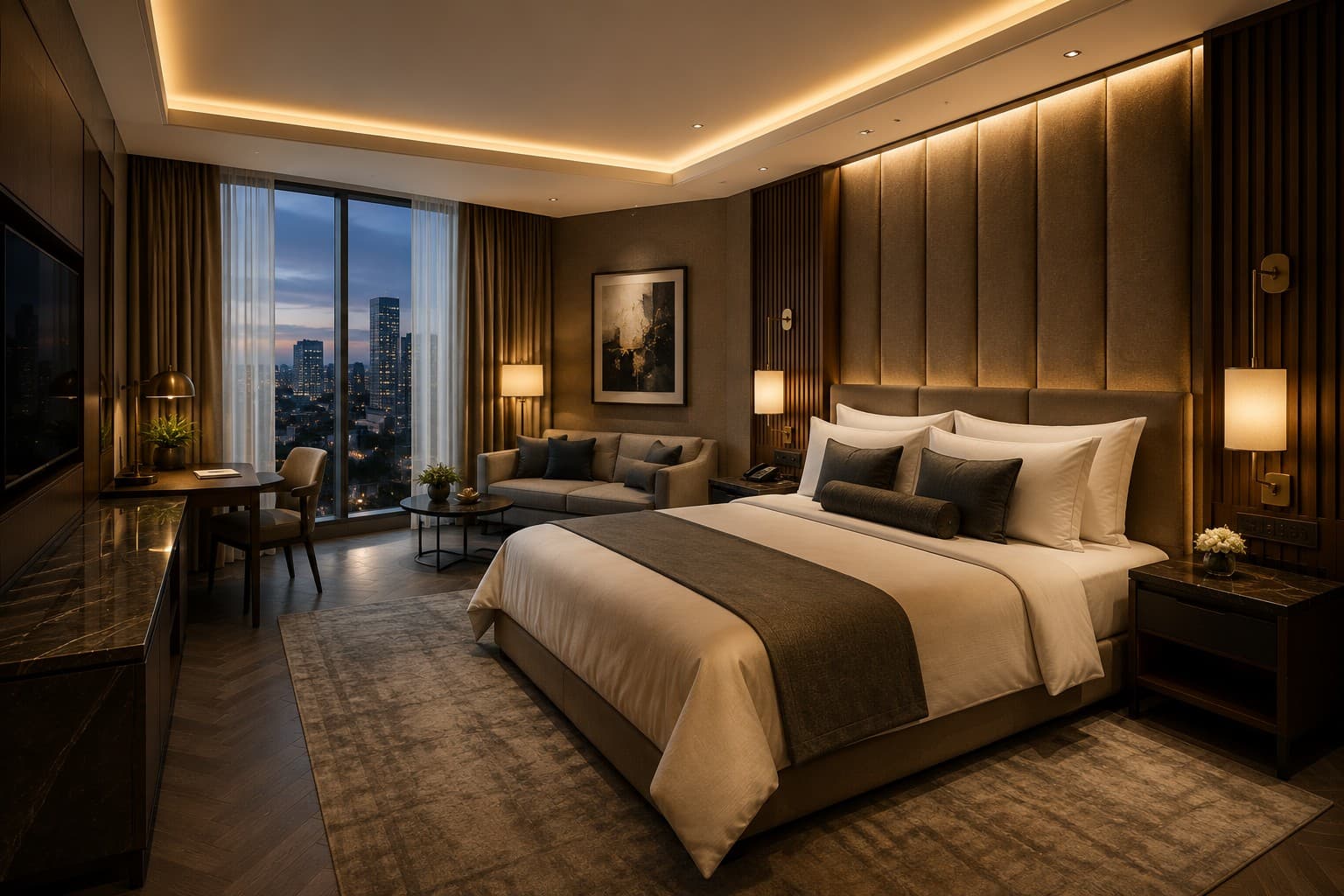
Hospitality
Hospitality Design Guide
Read guide
Laboratory
Laboratory Planning Guide
Read guideLooking for deeper cost, programme, standards or procurement guidance?
Browse Learn resourcesYour next step
Turn what you have learned into action.
Step 1
Build Your Requirements Brief
Capture lifestyle, rooms, storage, technology and family priorities.
ContinueStep 2
Estimate Your Budget
Build an early indicative investment range for your home.
ContinueStep 3
Estimate the Programme
Explore a realistic design, procurement and construction timeline.
ContinueStep 4
Book a Consultation
Discuss your home, priorities and the clearest next step.
Continue